
Workation at a campsite: working with a view of nature
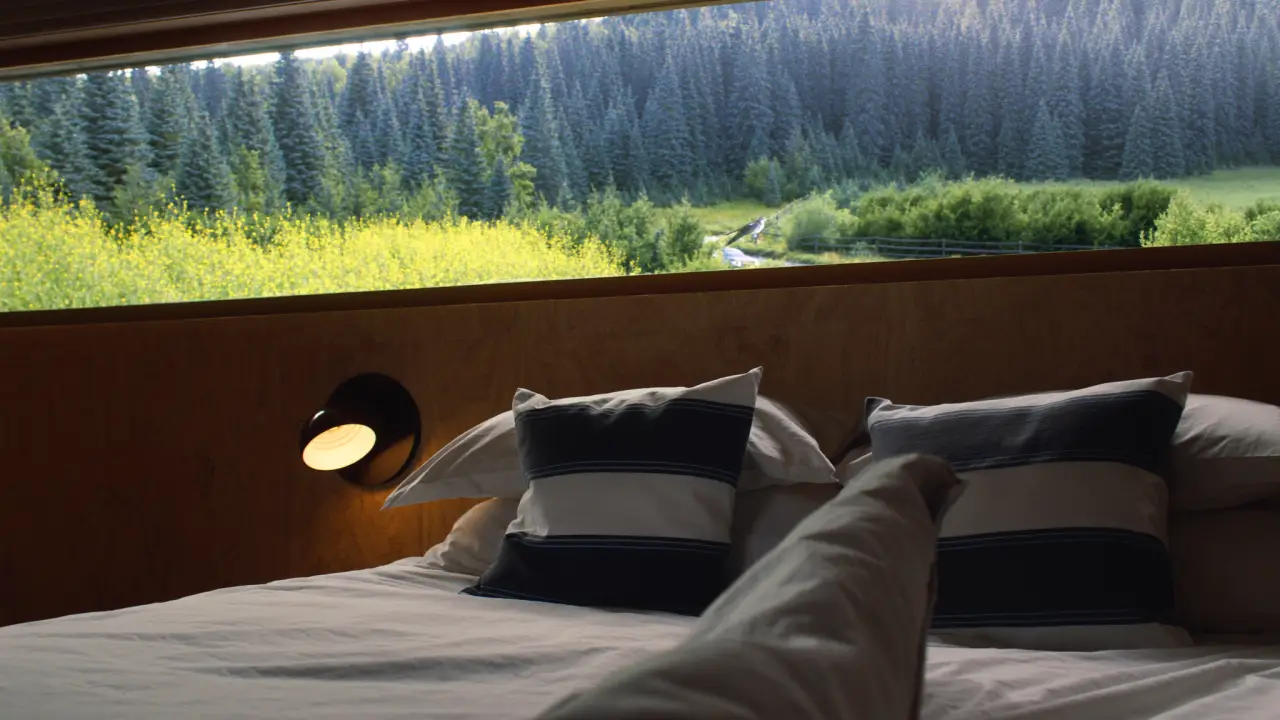
Yes, you can work well at a campsite if three things are right: reliable internet, a quiet table and power. A tiny house suits best. Set fixed working hours, and the rest of the day is for nature.
Mornings by the water, midday at the laptop, evenings by the fire: more and more people combine work and time off. To make both work, sort out a few things in advance.
What do you need for a workation?
| What | What to check |
|---|---|
| Internet | Ask how good the Wi-Fi and mobile signal are. Your own hotspot is a good plan B. |
| Workspace | Table and comfortable chair, ideally indoors and outdoors. |
| Power | A socket at your spot, plus a power bank. |
| Quiet | Headphones for calls. A spot on the edge is quieter. |
| Accommodation | Tiny house: solid walls, a table, warm on cool days too. |
Fixed hours keep your workation relaxed
Decide when you work and when you do not. For example, focused from nine to one, then outside. That way you are on holiday and still reachable.
Off-season is the best time
In May, June and September campsites are quieter. The internet is less busy and it is easier to find a calm spot.
Check the internet, choose a tiny house, set fixed hours. That is how a workation works.
Movement is part of it
Go for a run in the morning, swim or paddle at lunchtime. Moving helps you focus and sleep better.
Frequently asked questions
Do campsites have Wi-Fi?
Many do. Quality varies, so ask beforehand and bring a mobile hotspot.
Which accommodation is best for working?
The tiny house. It has solid walls, a table and stays warm on cool days.
How long should a workation last?
A week is a good start. It gives you time to settle in and find a rhythm.
Matching camps: Rhineland-Palatinate. The camps open from 2027. Join the waiting list to be the first to know.
Discover our concepts with the workation style.